

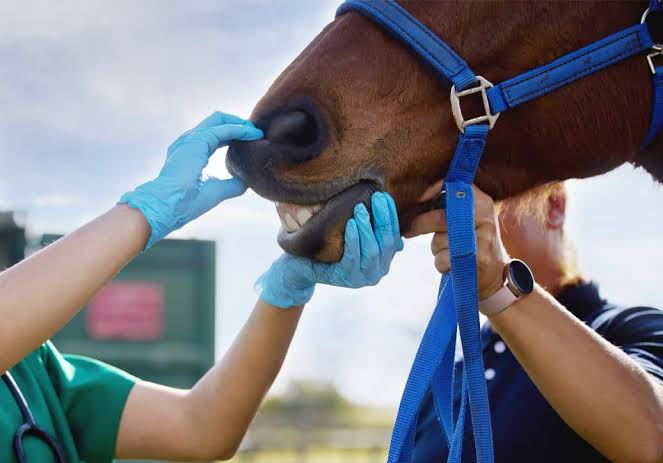
Your horse’s dental health plays an important role in their overall comfort, nutrition, and performance. Just like humans, horses require routine dental care to prevent painful conditions and maintain healthy teeth. However, transporting a horse to a veterinary facility for dental work isn’t always convenient. That’s where mobile equine dentistry provides an effective solution, bringing professional veterinary dental care directly to your property.
From routine dental examinations to teeth floating and treatment of more complex dental conditions, mobile veterinary dentistry helps horse owners maintain their animals’ oral health without the additional stress of transportation.
Why Is Equine Dental Care So Important?
Unlike human teeth, a horse’s teeth continue erupting for much of its life. As horses chew hay, grass, and other feed, their teeth gradually wear down. Unfortunately, this wear isn’t always even, potentially creating sharp enamel points, hooks, and other dental abnormalities.
These irregularities can cause discomfort, interfere with chewing, and even damage the sensitive tissues inside the mouth. Over time, untreated dental problems may contribute to weight loss, difficulty eating, and behavioral changes.
Routine equine dental examinations allow veterinarians to identify these issues before they develop into more serious problems. Preventative dentistry is particularly important because horses may continue eating and behaving relatively normally despite experiencing significant dental discomfort.
What Is Horse Teeth Floating?
One of the most common procedures performed during an equine dental appointment is horse teeth floating. This procedure involves carefully smoothing sharp enamel points and correcting certain uneven tooth surfaces using specialized dental instruments.
Floating helps reduce irritation to the cheeks and tongue while supporting a horse’s ability to chew comfortably. However, not every horse requires the same amount of dental adjustment, making a thorough examination essential before treatment.
During a professional dental evaluation, a veterinarian may identify additional conditions, including:
- Sharp enamel points that irritate the cheeks or tongue
- Uneven tooth wear and dental misalignment
- Loose, fractured, or damaged teeth
- Gum inflammation and periodontal disease
- Food accumulation between teeth
- Tooth infections or other oral abnormalities
A comprehensive approach to equine dentistry addresses both the immediate condition of the teeth and any underlying issues affecting long-term oral health.
Signs Your Horse May Need Dental Attention
Horses aren’t always obvious about dental discomfort. In fact, many continue eating even when painful dental problems are present. Recognizing subtle warning signs can help prevent unnecessary suffering.
According to the American Association of Equine Practitioners, dental problems can affect a horse’s feeding efficiency, comfort, and behavior. Regular examinations help identify conditions such as sharp enamel points, abnormal tooth wear, and infections before they worsen (source).
Common signs that your horse may need dental attention include:
- Dropping partially chewed food while eating
- Difficulty chewing hay or grain
- Unexplained weight loss
- Excessive salivation or unusual mouth odors
- Head tossing or resistance to the bit
- Difficulty accepting a bridle
- Facial swelling or sensitivity
- Changes in eating habits or behavior
While these symptoms can indicate dental problems, they may also have other medical causes. A veterinary examination is the best way to determine what’s happening and identify the appropriate treatment.
Benefits of Mobile Equine Dentistry
Traditional veterinary appointments sometimes require loading a horse into a trailer, traveling to a facility, and waiting for treatment. Mobile equine dentistry eliminates much of this logistical burden by allowing examinations and procedures to take place at the horse’s home environment.
Reduced transportation stress: Horses can remain in familiar surroundings instead of traveling to an unfamiliar veterinary facility.
Convenience for horse owners: On-site appointments eliminate the need to arrange transportation, load trailers, or coordinate lengthy trips.
Comprehensive dental treatment: Properly equipped mobile veterinary units can provide detailed oral examinations, teeth floating, dental imaging, and treatment of various oral conditions.
Personalized preventative care: Veterinarians can evaluate each horse’s dental condition, age, diet, and medical history to develop appropriate recommendations.
For owners managing multiple horses, mobile veterinary dentistry can also simplify routine preventative care by allowing several animals to receive attention during a coordinated visit.
Mobile Equine Dentistry in Gilbert, Arizona
Horse owners in Gilbert, Arizona, benefit from convenient access to professional mobile equine dentistry without having to transport their horses to a veterinary clinic. Whether your horse is kept on private property or at a local boarding facility, on-site dental care makes it easier to maintain a consistent preventative health schedule. Arizona Mobile Veterinary Practice serves Gilbert and surrounding East Valley communities, providing comprehensive equine dental examinations, teeth floating, diagnostic imaging, and treatment for a variety of dental conditions. With Arizona’s active equestrian community, having access to experienced mobile veterinary professionals helps owners prioritize their horses’ dental health while minimizing disruptions to their daily routines.
What to Expect During a Mobile Equine Dental Appointment
A professional mobile dental appointment involves more than simply smoothing a horse’s teeth. A thorough evaluation is necessary to understand the animal’s dental health and determine which procedures, if any, are appropriate.
At Arizona Mobile Veterinary Practice, appointments begin with a physical examination to evaluate the horse’s overall health. A complete oral examination follows, allowing the veterinarian to identify dental abnormalities and develop an individualized treatment plan.
When indicated, dental floating and equilibration are performed using specialized equipment within the practice’s mobile dental stocks. Procedures are conducted under standing sedation to facilitate a controlled examination and treatment.
The practice also offers advanced diagnostic and treatment options, including digital radiography, periodontal care, extractions, and geriatric dental consultations. Following the
appointment, owners receive a digital dental chart documenting the examination findings, procedures performed, and recommendations for future care.
Horse owners interested in comprehensive on-site dental treatment can learn more about mobile equine dentistry services in Arizona and the available veterinary dental procedures.
How Often Should Horses Have Their Teeth Examined?
Most adult horses benefit from a comprehensive dental examination at least once per year. However, the ideal schedule depends on several factors, including age, dental development, existing abnormalities, and individual health needs.
Younger horses may require more frequent evaluations as their permanent teeth develop, while senior horses can experience age-related dental complications that require additional attention.
Importantly, a dental examination doesn’t automatically mean a horse needs its teeth floated. The veterinarian should determine whether floating or another treatment is necessary based on the findings of the examination.
Maintaining a regular dental care schedule is one of the simplest ways to support your horse’s long-term health and comfort.
Frequently Asked Questions About Mobile Equine Dentistry
What is mobile equine dentistry?
Mobile equine dentistry provides professional horse dental examinations and treatments directly at a stable, boarding facility, or private property. It allows horses to receive veterinary dental care without traveling to a traditional clinic.
How often should a horse’s teeth be floated?
Many horses require dental examinations annually, but floating frequency varies. Some horses need more frequent adjustments, while others may not require floating at every examination.
Is horse teeth floating painful?
Properly performed floating is intended to correct dental irregularities and improve comfort. Veterinarians typically use sedation to facilitate safe, controlled dental procedures and minimize stress.
Can mobile veterinarians perform advanced dental procedures?
Yes. Depending on the equipment and veterinarian’s capabilities, mobile equine dental services may include radiography, extractions, periodontal treatments, and other diagnostic or therapeutic procedures.
Do horses need dental care if they aren’t showing symptoms?
Yes. Horses can develop significant dental abnormalities without obvious symptoms. Routine examinations help identify problems before they cause noticeable discomfort or difficulty eating.
Is mobile equine dentistry available in Gilbert, Arizona?
Yes. Arizona Mobile Veterinary Practice provides mobile equine dental services in Gilbert and other East Valley communities, bringing professional veterinary dental care directly to horses at their location.
Schedule Professional Mobile Equine Dental Care
Consistent dental care supports your horse’s comfort, feeding efficiency, and overall well-being. From routine examinations and teeth floating to diagnosing and treating more complicated conditions, preventative veterinary dentistry can make a meaningful difference in your horse’s quality of life.
Arizona Mobile Veterinary Practice provides comprehensive mobile equine dentistry throughout Gilbert, the East Valley, and other areas of Arizona. Contact the practice to schedule an appointment and help keep your horse’s teeth healthy.
